Written Accounts in Literature
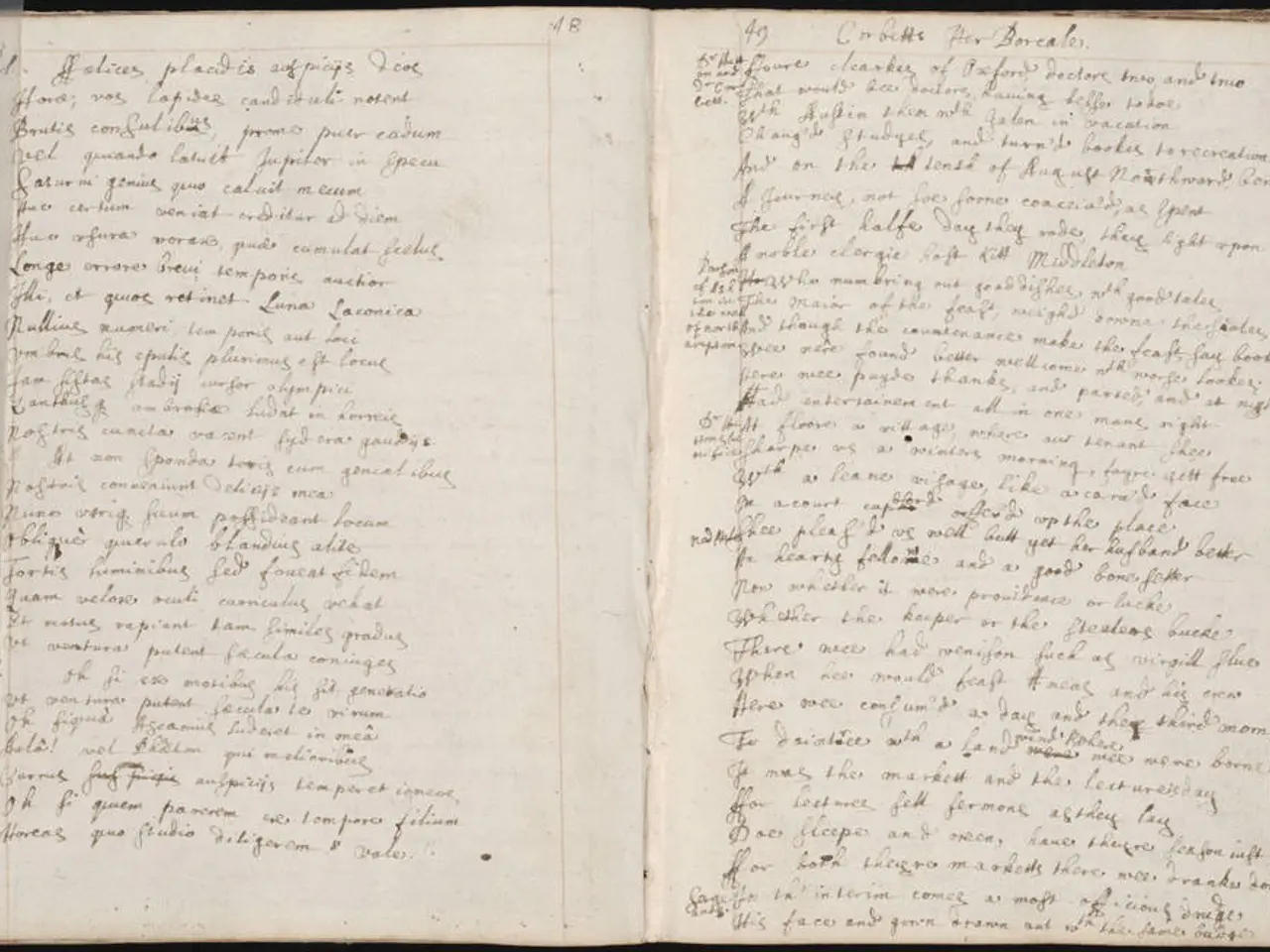
In the realm of literature, there exists a captivating genre that offers an intimate and personal glimpse into the lives of characters - novels written in diary or journal form. These epistolary works have been gracing readers with their unique narrative style for centuries.
One of the most renowned examples is Bram Stoker's "Dracula," a chilling tale told through letters, diaries, and newspaper articles, making it a classic example of an epistolary novel. Another timeless piece is "The Diary of a Young Girl" by Anne Frank, a poignant memoir detailing her experiences during World War II.
The genre extends beyond traditional diaries, encompassing works such as Alice Walker's "The Color Purple," a novel written in the form of letters to God, and Sylvia Plath's "The Bell Jar," which has elements of diary entries and personal reflections.
Modern literature continues to embrace this style, with Helen Fielding's humorous "Bridget Jones's Diary" and Stephen Chbosky's poignant "The Perks of Being a Wallflower" offering contemporary perspectives. Dodie Smith's "I Capture the Castle" and Meg Cabot's "The Princess Diaries" also find their place in this genre, providing a charming and relatable narrative.
The allure of journaling is not limited to fiction. Many have found solace and self-discovery in the act of writing down their thoughts, achievements, and joyful moments. This practice can encourage self-confidence, boost memories, and even improve mental health by helping one think through internal thoughts.
Anne Frank's "The Diary of Anne Frank" serves as a poignant reminder of the power of journaling, as it offers a profoundly personal account of a young girl's experiences during a tumultuous time in history. The secret diaries of historical figures, such as Anne Boleyn and Roger Ackroyd's murderer, also offer intriguing insights into their lives.
In everyday life, journaling can serve as a personal place to keep secrets, thoughts, ideas, dreams, a bucket list, and life events. The writer of this article, who has been a journal writer for most of their life, can attest to the joy and gratitude that comes from having a written record of their children's shenanigans and fun moments.
As we continue to explore the depths of human experience through literature, the diary or journal form will undoubtedly remain a captivating and engaging means of storytelling. Whether it's a classic like "Dracula" or a contemporary work like "The Perks of Being a Wallflower," these novels offer a unique and intimate perspective that resonates with readers far and wide.
- A library could possibly host events centered around the appreciation of diary and journal-form literature, allowing readers to delve deeper into the captivating narratives of books like "The Diary of Anne Frank" and "I Capture the Castle".
- For those seeking inspiration, home-and-garden magazines might feature articles on personal journaling as a form of self-care and lifestyle enhancement, offering tips on setting up a private journaling space at home.
- In the realm of self-improvement, some lifestyle coaches might recommend the practice of journaling as part of their individualized wellness plans, highlighting its potential benefits on mental health, self-confidence, and memory recall.