Commemoration of the Final Sunday in July in Ancient Irish Traditions
Celebrating Garland Sunday: A Blend of Ancient Traditions and Modern Festivities
Garland Sunday, also known as Reek Sunday, is a unique celebration in Ireland that combines ancient pagan traditions with Christian practices, rooted in the agricultural calendar and the country's rich cultural heritage.
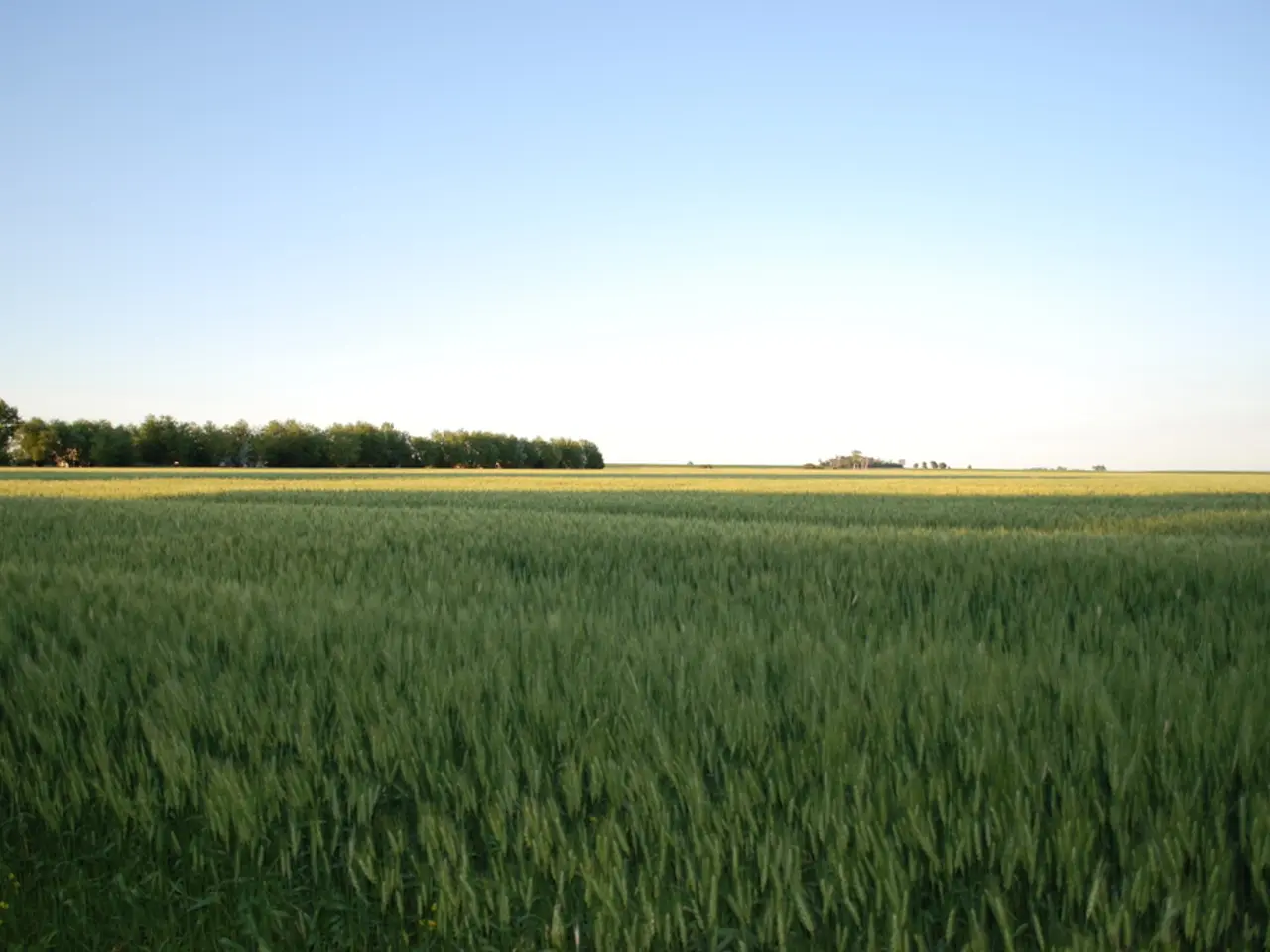
Historically, Garland Sunday marked the end of "Hungry July," a challenging period between midsummer and the first harvest when food supplies were scarce. This celebration signified the arrival of the new harvest, providing a cause for communal rejoicing after a lean season.
The festival's origins can be traced back to the ancient pagan festival of Lughnasadh, named after the god Lugh, one of the four major Irish seasonal festivals. Although Lughnasadh is celebrated on August 1st, Garland Sunday festivities were traditionally held on the last Sunday in July as a related marker for harvest anticipation.
In its Christian adaptation, Garland Sunday is closely associated with the pilgrimage to Croagh Patrick in County Mayo, known as Reek Sunday. Croagh Patrick, Ireland’s holiest mountain, is where St. Patrick is said to have fasted for 40 days and nights. On Garland Sunday/Reek Sunday, thousands of pilgrims climb the mountain, many barefoot, performing devotional acts such as praying, circling sacred spots, attending Mass, and seeking reconciliation. This pilgrimage tradition has continued for over 1,600 years, blending spiritual renewal with longstanding cultural customs.
In Co. Sligo, a modern twist has been added to traditional Garland Sunday activities in the village of Keash. These include sporting feats, family-friendly walks and runs, and various competitions, making it a day of community celebration.
The bilberry, a rich natural source of anthocyanins, has been used in cooking, medicine, and as a purple dye for centuries. Bilberries, also known as fraughans or frachóg, were traditionally served during the Garland Sunday feast. In Ireland's past, there was a thriving cottage industry for bilberry collection and shipping to urban centers in the UK.
The bilberry holds a special place in Irish romance, as young women traditionally baked bilberry cakes and presented them to young men they were in love with. This romantic gesture adds a charming layer to the celebration's rich history.
Today, Garland Sunday is an annual day of pilgrimage, particularly to Croagh Patrick, where it is a significant event in the Irish calendar. The Church has emphasized themes such as the ‘Christian Hope’ for the pilgrimage, linking the ancient tradition with modern spiritual significance, including special Jubilee Year activities and pilgrim passports that encourage visits to Ireland’s major pilgrimage sites.
In summary, Garland Sunday/Reek Sunday is a culturally rich day combining Ireland’s agricultural calendar, ancient pagan celebrations, and Christian pilgrimage tradition, symbolizing hope, renewal, and community at the cusp of the harvest season.
Enjoy a day of modern-day festivities with a hint of ancient tradition by embracing outdoor-living activities and food-and-drink delights during Garland Sunday celebrations. Prepare your home-and-garden for the upcoming season by incorporating the locally-grown bilberry into your meals and decorations, adding a touch of history to your lifestyle.